Lower Carbon.
Better Impact.
Reducing emissions is at the core of what we do. Through advanced materials and practical solutions, Altivex helps brands move toward a more responsible future
Driving Lower-Carbon Impact Through Material Innovation
We enable positive change by reducing environmental impact at the material level.
Through PLA, PHA, and carbon-reduced solutions, we support brands in building more responsible packaging systems across:
Renewable Materials
Reduced Carbon Footprint
Scalable Applications
Circular Material Use
High-Performance Biodegradable Materials
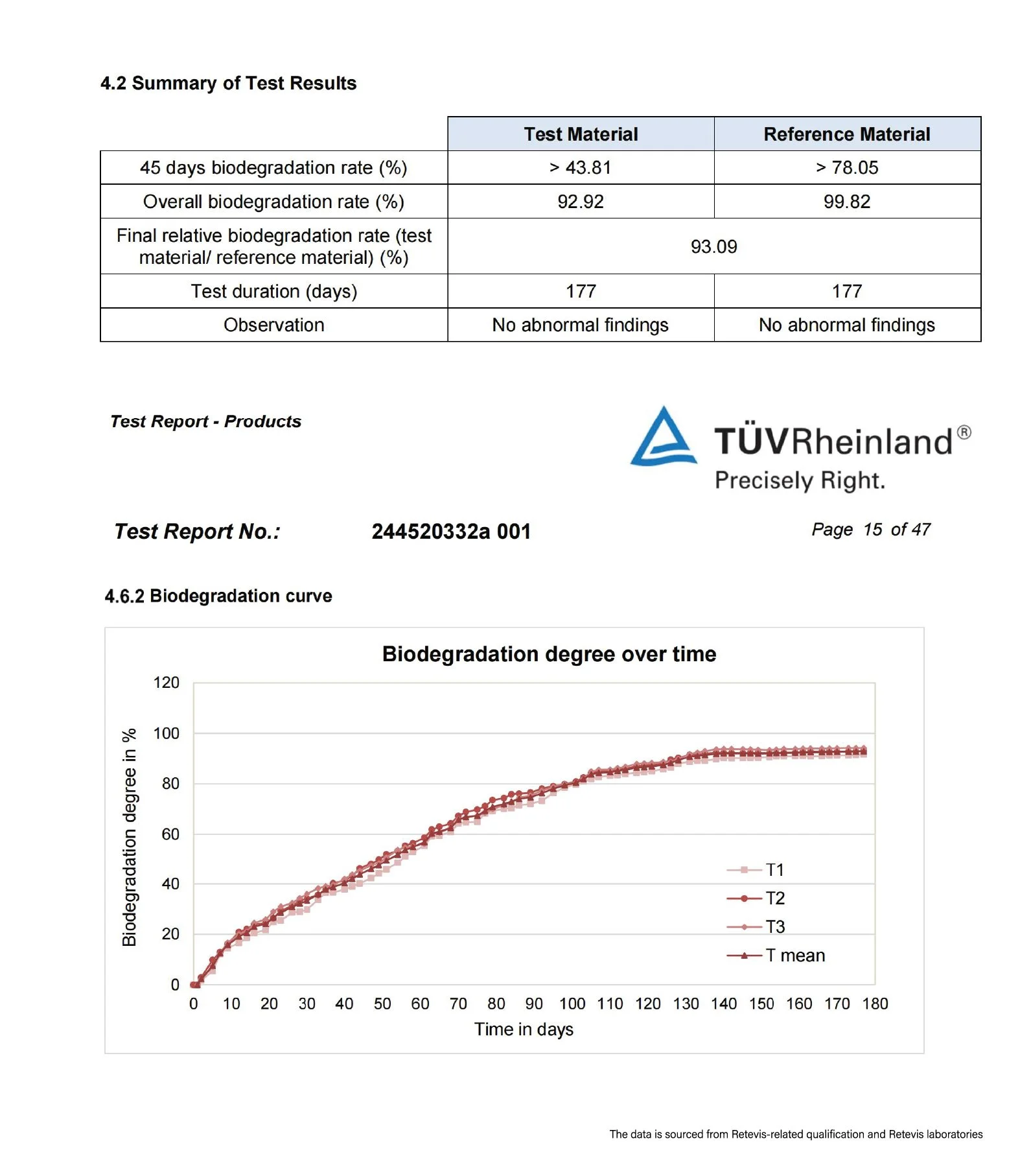
Biodegradability is a key indicator of sustainable materials.
Under national standards, materials must achieve over 60% biodegradation to be classified as biodegradable.
Altivex materials reach up to 93.09% decomposition, exceeding national and industry standards while meeting EU composting requirements.
Responsible . Sustainable . Scalable

How Our Materials Create Impact
PLA – Plant-Based Material
Derived from renewable plant resources such as corn, PLA offers a more sustainable alternative to conventional plastics. It helps reduce reliance on fossil-based materials while maintaining strength, usability, and consistency for food packaging applications.
Plant-based, industrial compostable

PHA – Biodegradable Polymer
PHA is a next-generation biopolymer produced through natural fermentation. It is designed to biodegrade in natural environments, offering a solution for reducing long-term plastic waste while supporting functional packaging needs.
Naturally biodegradable, marine-safe

C-Solution – Carbon-Reduced Material
C-Solution integrates C-Filler technology made from industrial by-products, transforming waste into high-performance material. This approach reduces carbon emissions while delivering durability and reliability for packaging applications.
Carbon-Industrial Waste Material

Explore our range of sustainable materials
and packaging solutions designed
for real-world applications.
Impact in Numbers
-
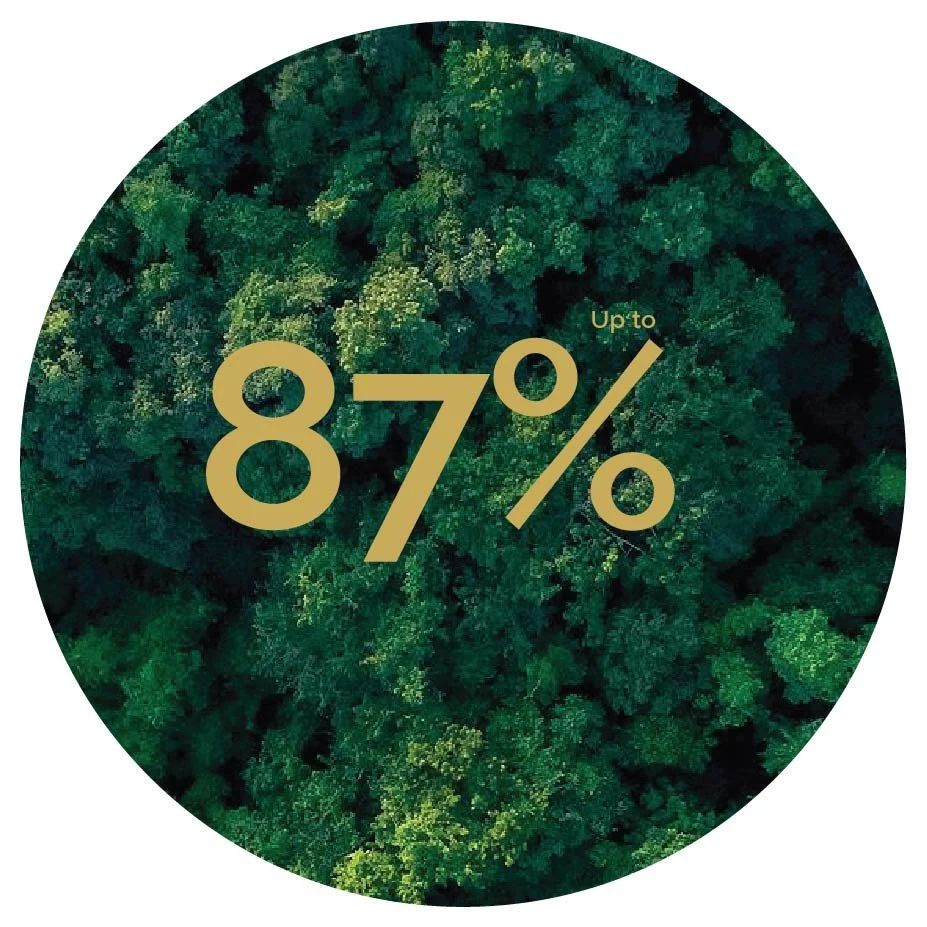
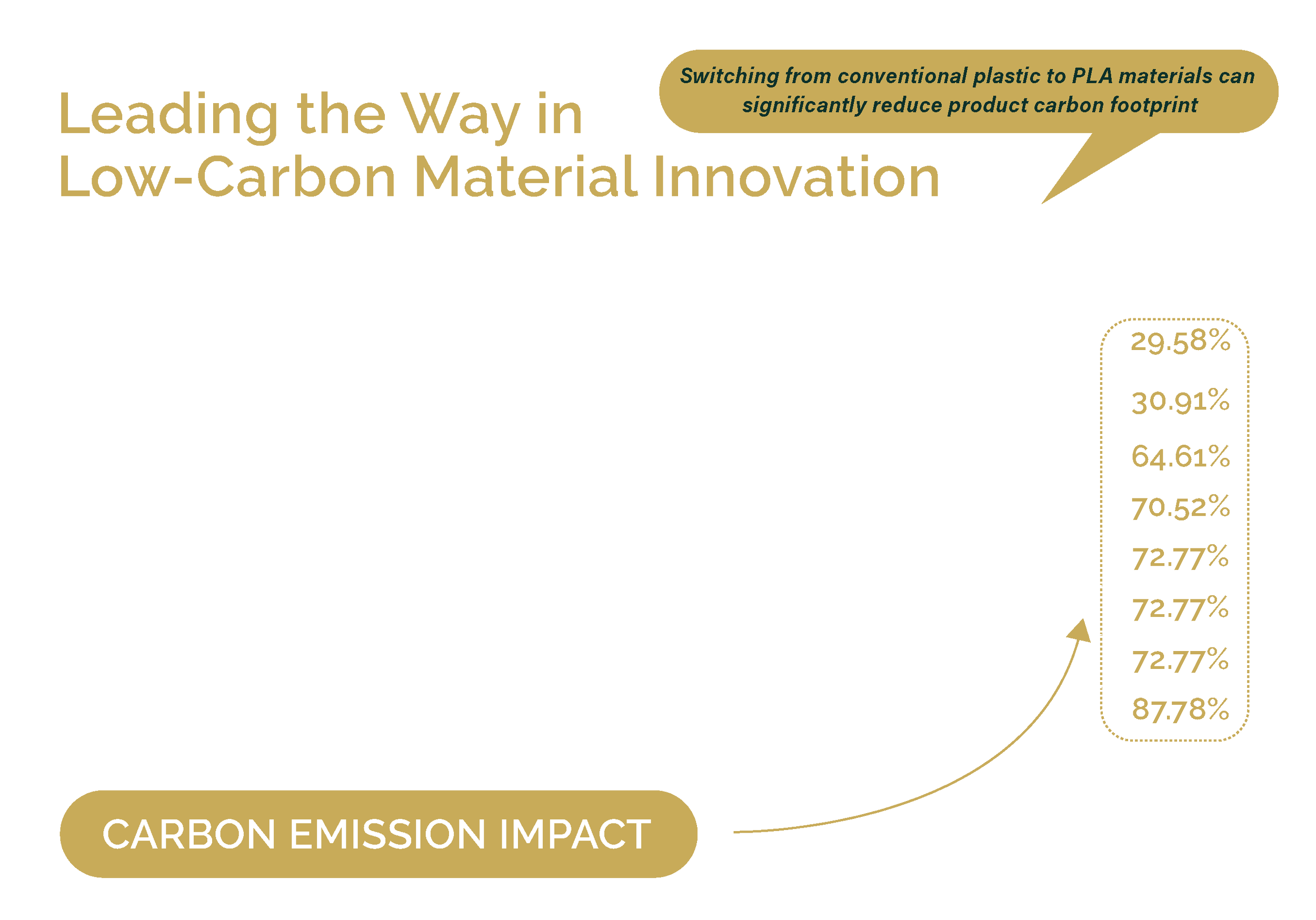
Lower Carbon Emissions When switching from PET to PLA materials
-
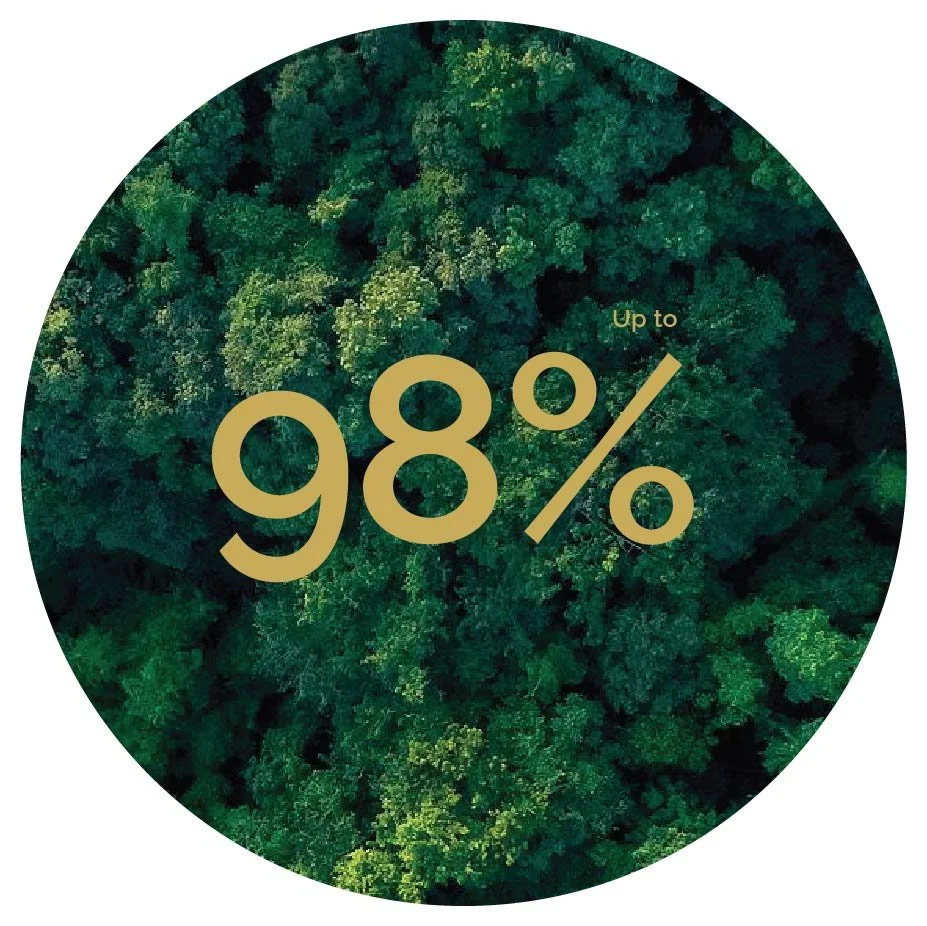
Lower Carbon Footprint Using carbon-reduced materials with C-Filler technology
-

Plant-Based Material Source PLA derived from renewable resources such as corn
Sustainability, Delivered.
Reducing Carbon Footprint in Airline Food Service
Airline catering packaging contributes to carbon emissions.
Lower-carbon materials and smarter packaging help reduce impact across production, logistics, and waste.
Full-Process Carbon Footprint Tracking
Altivex works with certified partners to track the carbon footprint of packaging materials across their full lifecycle from raw materials to end-of-life treatment.
This integrated approach provides greater transparency and helps airlines transition to lower-emission packaging while supporting ESG goals.
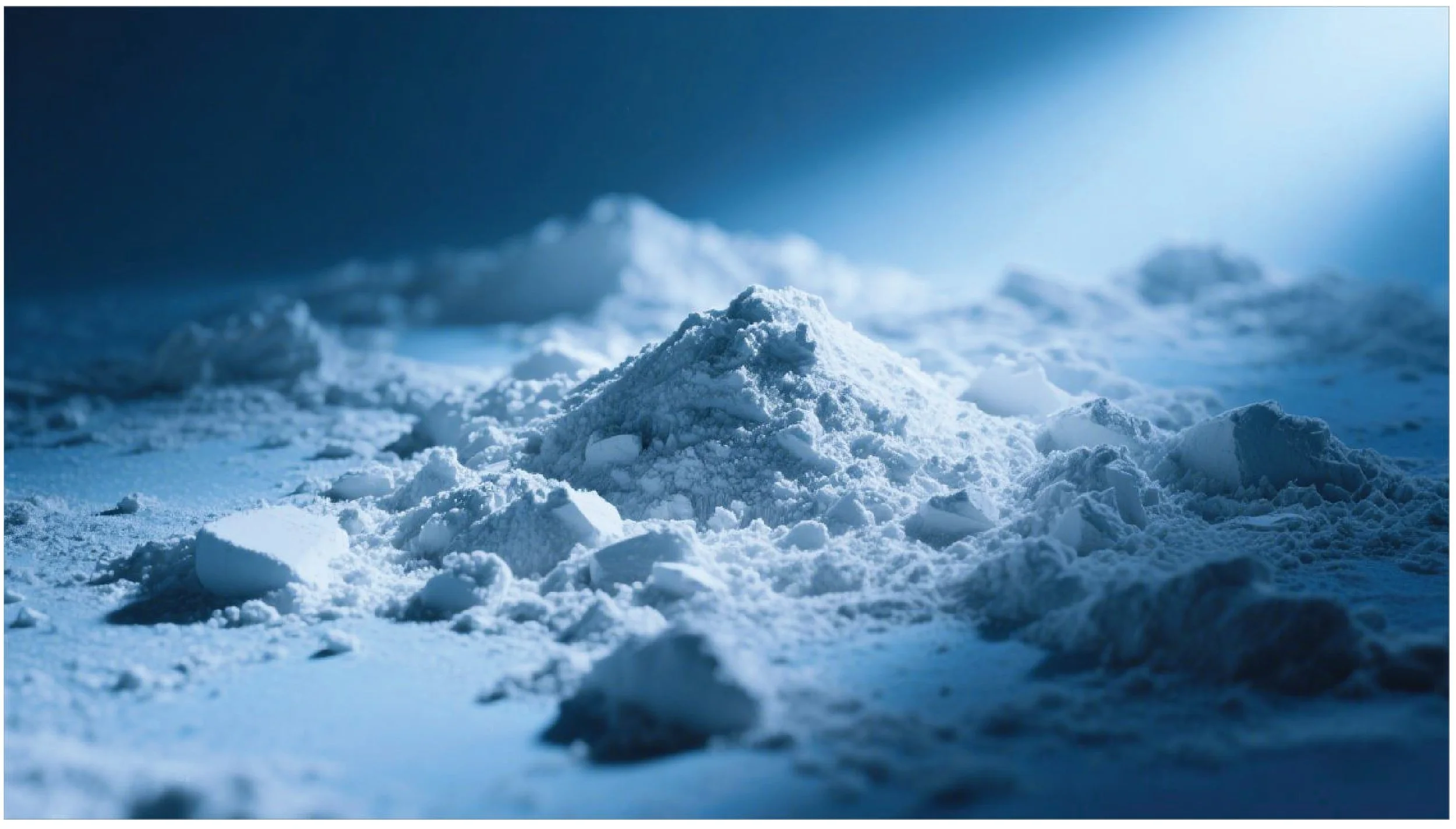
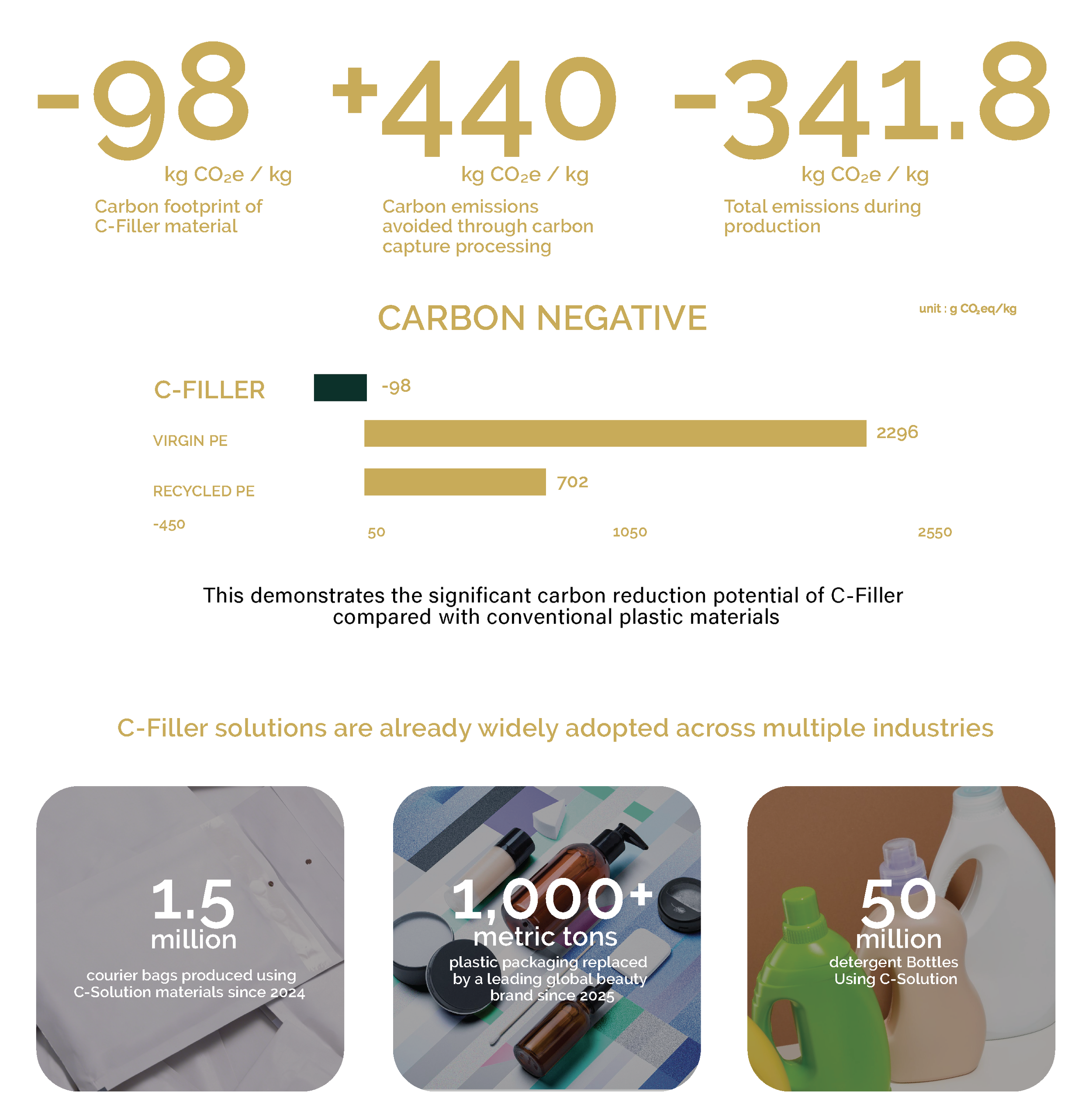
C-Filler transforms industrial by-products into high-performance material, reducing carbon emissions while maintaining strength and durability.

C-Filler Technology
C-Filler is an advanced material technology developed using
100% industrial waste.
Through carbon capture processing, the material achieves carbon-negative performance, helping reduce overall packaging emissions.
Key Environmental Impact
Key Environmental Impact
CERTIFIED & COMPLIANT